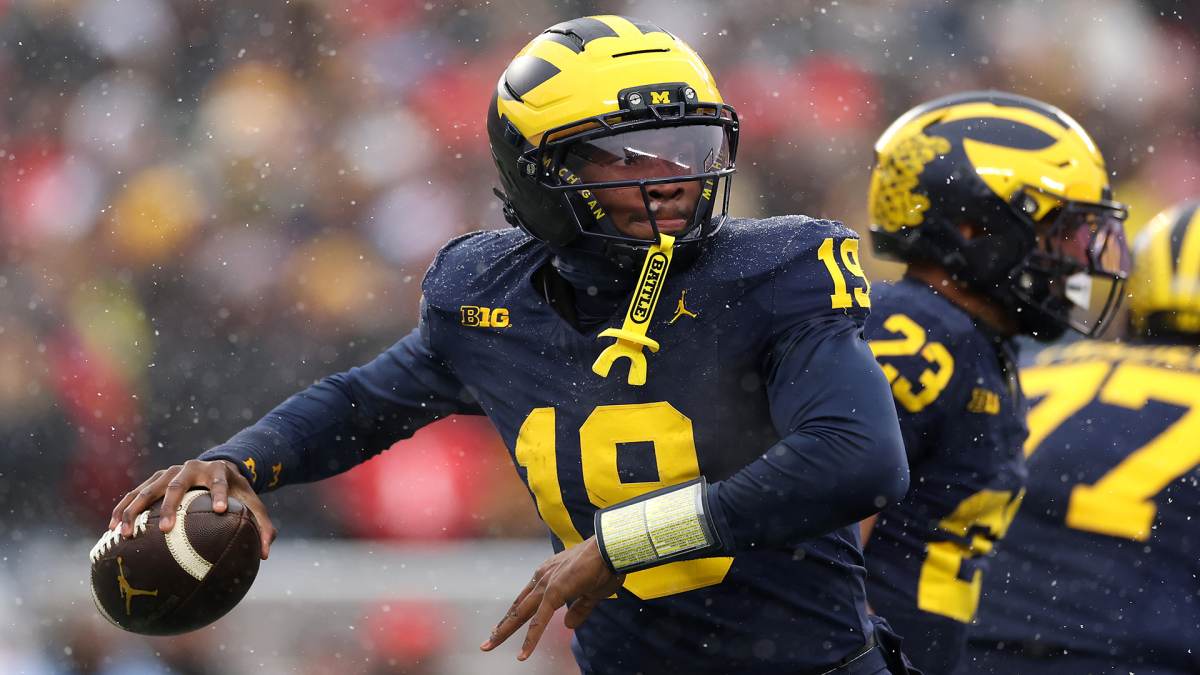
Columnists from CBC Radio3:37Dictionary.com has dubbed SIX SEVEN as the Word of the Year.
CBC Trendsguy Jason Osler wonders aloud if the English language is eroding or evolving
Dictionary.com declaring “6-7,” “the classic brainrot slang” that’s “purposefully nonsensical” as its 2025 word of the year, is more meaningful than it seems, according to some linguists.
Critics of the pick say it represents an erosion of the English language, however, “if you’re adding something [to language], how can that be eroding,” said linguist Nicole Rosen.
“If you have a prescriptivist view of how language is supposed to be used, maybe you would think that,” Rosen, head of the University of Manitoba’s linguistics department, told CBC Radio columnist Jason Osler.
Explaining its own pick, Dictionary.com described the term as “meaningless, ubiquitous, and nonsensical.” But its perceived lack of meaning is perhaps the point, some linguists say. Ai Taniguchi, a linguistics professor at the University of Toronto Mississauga, says meaning is just one function of language — it also conveys details about one’s identity.
“Language is not just about these truth conditional meanings and figuring out what’s true or false in the world, but finding a sense of who you are and expressing that,” she said.
Youth and linguistic trends
Taniguchi says ‘6-7’ connects insiders, particularly young people, to a shared experience.
“I find it interesting how people conceptualize meaning and why people get so bothered about the fact that [‘6-7’] carries social meaning above all,” she said. “It’s not really used to communicate anything literal as much as you’re indicating an in-group status with other people. Like [saying,] ‘I’m among the group of people who use this word.’”

Taniguchi says her generation’s version of “6-7” was 420, which is rooted in marijuana smoking culture.
“If the clock hits 4:20 or you see any allusion to 420, when someone says 420, they chuckle because you’re indicating to other people that you know what 420 is and what it alludes to,” she said.
Kelly Elizabeth Wright says “6-7’s” lack of concrete meaning means “it can be used in different communities successfully.” For example, elementary school students, basketball fans, and even politicians.
Wright is the lead editor of the Among the New Words section of the journal American Speech.

“I think what’s interestingly new about [the “6-7” trend] is that it’s visible. It’s spread in the present. It’s spreading online, so more young people are able to get it and engage with it really quickly,” she said.
But Wright suspects young people’s use and satisfaction with “6-7” may also fade because of its ubiquity.
“Because everyone is talking about it, young people aren’t going to use it anymore. It doesn’t have the social cachet that it needs, that it was created for,” she said.

Rachel Bendayan, MP for Quebec’s Outremont, got in on the 6-7 trend during question period. Canada added 67,000 jobs in October, beating economists’ expectations and nudging the unemployment rate down to 6.9 per cent.
However, conversations about the meaning of words and negotiating them helps push language forward, Wright added.
“I love tracking the data from year-to-year and looking at these trends. It’s so fascinating to know what people are saying, what words they think are important.”
Defining the moment
Ben Zimmer, chair of the American Dialect Society (ADS) New Words Committee, says the value of the word of the year exercise is examining how different cultures at different times are talking.
“The words act as a marker and can help linguists and other researchers understand when they’re asking deeper questions about language and communication,” he said.
The Canadian English Dictionary is publishing its first new general dictionary in decades. Unsurprisingly, “elbow’s up” and “maple washing” are on the shortlist for its word of the year.
Zimmer noted “tariff-fied” was nominated as an ADS word of the year in 2024 amid U.S. President Donald Trump’s initial threats of tariffs. But now that tariffs have been implemented and the economic impacts have been felt globally, “tariff-mageddon” has become a major talking point, he explained.

He expects words related to artificial intelligence (AI) will dominate this year’s nominations.
According to Zimmer, these are two examples of language developing.
“It’s not just something that’s trapped in amber. It’s something that’s dynamic, constantly changing. We’re trying to keep track as best as we can of those shifts over time,” he said.
Taniguchi says it’s encouraging that the word of the year creates opportunities for conversations about language as a whole. She says talking about talking is a very human experience that highlights a diversity of perspectives.
“Hopefully word of the year can act as this opportunity for people to channel curiosity into conversations about understanding other cultures, other languages, other people.”